Get Air Conditioning Maintenance This Spring to Prepare It for Summer

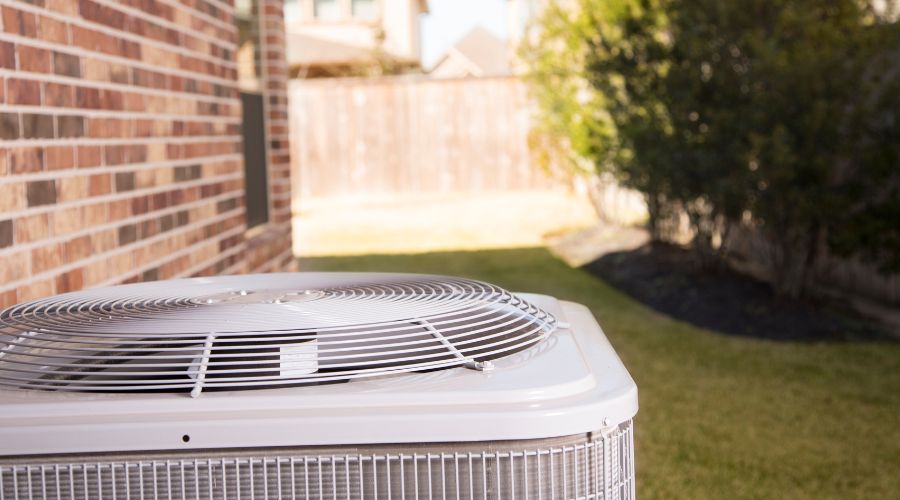
Air conditioning unit outdoors near brick wall, emphasizing importance of annual maintenance for efficient summer cooling.

Benefits of Annual AC Maintenance

Maintain the air conditioner this spring to prepare for a hassle-free summer. Unexpected breakdowns and sweltering heat can cause frustration, but proactive AC maintenance and expert service offer a practical solution. This guide will discuss the benefits of annual air conditioning maintenance and why it’s best to schedule it in the spring. Keep reading to uncover how it can enhance the air conditioner’s performance. 

Energy Efficiency

filterProfessional air conditioner maintenance in spring can dramatically increase energy efficiency before the arrival of summer. With a comprehensive tune-up, HVAC technicians optimize the cooling system to perform at its best, helping to lower monthly utility bills. Key components like condenser and evaporator coils, when cleaned, allow the system to function without strain, reducing electricity consumption. In many cases, energy savings cover the cost of maintenance.

During service visits, refrigerant levels are checked and leaks are sealed to prevent efficiency losses. Lubrication of moving parts minimizes friction, further cutting down on energy use. A well-maintained air conditioning unit may use up to 15% less energy compared to one that’s been neglected—an especially important advantage during peak summer usage.

Air filter replacement plays a key role in energy efficiency. A clogged filter restricts airflow, forcing the system to work harder and consume more power. Replacing filters every 1–3 months can boost efficiency by 5–15%, based on Department of Energy estimates. Clean filters also help prevent dust buildup on vital components, promoting better air quality and extending system life.

More Reliable With Fewer Repairs
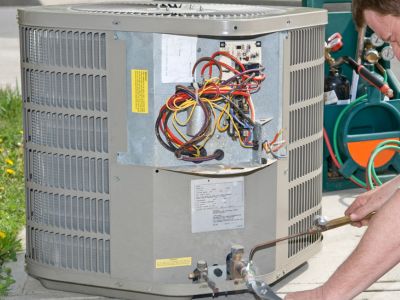
hvacPreventive air conditioner maintenance in spring has a direct impact on system performance during high summer temperatures. By addressing minor concerns early, the cooling system is prepared to operate efficiently through the hottest months. Early detection helps avoid emergency repairs and costly service disruptions.

Spring tune-ups greatly reduce the risk of mid-summer failures, when service demand spikes and emergency rates rise. According to the Department of Energy, regular HVAC maintenance can prevent up to 95% of breakdowns, translating into annual savings of $300–$500 in repair costs. Avoiding a single emergency call during a heatwave makes financial sense.

Beyond minimizing repairs, maintenance ensures greater system reliability. When coils are cleaned, refrigerant levels checked, and controls calibrated, cooling becomes more consistent. Less strain on system components results in fewer failures and a longer overall lifespan. A spring service appointment acts as a safeguard against midsummer breakdowns and the inconvenience they bring.

Longer Lifespan

Spring maintenance plays a critical role in maximizing the lifespan of an air conditioning unit, potentially saving thousands in early replacement costs. Well-maintained systems often last 15–20 years, compared to just 10 years for neglected units, offering significant long-term savings through consistent care.

The reason is simple: when components such as filters, coils, and fins stay clean, the system doesn’t overwork to maintain desired temperatures. Reduced mechanical strain leads to fewer breakdowns and slower wear on parts. According to Energy Star, regular filter changes can lower energy consumption by 5–15% while protecting system health.

Routine maintenance also uncovers issues like refrigerant leaks, electrical faults, or compressor wear before they escalate. Catching problems early can prevent complete system failures. Annual maintenance costs represent a small investment compared to the cost of a full system replacement. Maintaining an air conditioner not only supports comfort but also safeguards long-term HVAC investments.

About AQS Heating & Air Conditioning

AQS Heating & Air Conditioning is a family-owned and operated heating, cooling, and indoor air quality services company serving Hemet, CA, and beyond. They offer straightforward pricing and emergency service. Call them for AC maintenance in Hemet, CA.
Common Signs of an Air Conditioner Leaking Refrigerant

Ways to Be Alerted to a Refrigerant Leak in Need of Repair

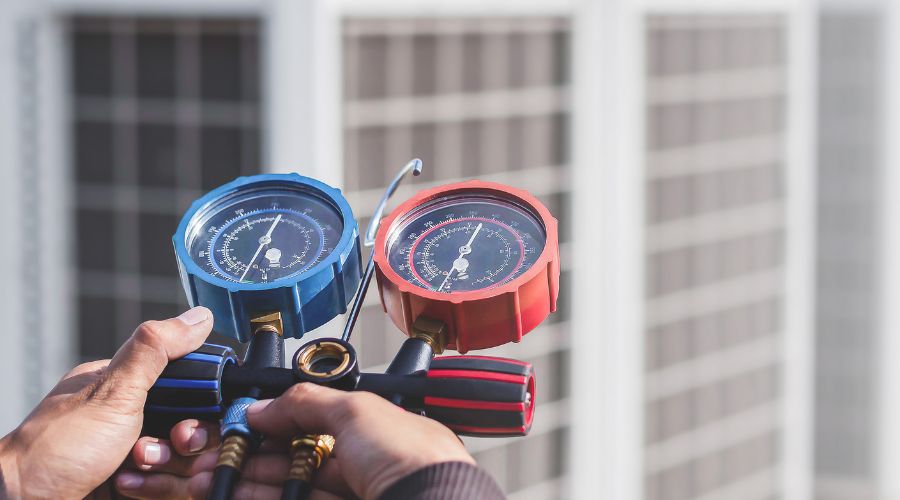
If homeowners notice signs of an AC refrigerant leak, it’s crucial to call for refrigerant leak repair quickly. Refrigerant leaks should be fixed promptly to prevent further damage to the air conditioner and ensure efficient cooling performance. This post will share common signs of a refrigerant leak so homeowners can call for AC refrigerant leak repair and maintain a cool, trouble-free home.

Frozen Evaporator Coils

When an air conditioner’s evaporator coils develop a layer of ice, it’s often a direct symptom of a refrigerant leak in the AC system. This freezing occurs because refrigerant is responsible for absorbing heat from indoor air. With insufficient refrigerant levels, the coils become abnormally cold. The remaining refrigerant creates temperatures well below freezing. This causes moisture in the air to freeze directly onto the coil surface.

The freezing process creates a dangerous cycle that worsens cooling performance. Initially, people might notice reduced airflow or diminished cooling capacity as the ice begins to form. However, as the ice buildup continues, it acts as an insulator between the refrigerant and the air passing over the coils. This insulation effect prevents proper heat transfer, forcing the system to work harder.

Remember that attempting to chip away ice from frozen coils can damage delicate fins. The proper approach is addressing the underlying refrigerant leak. Continued operation with frozen coils risks compressor damage, potentially turning a manageable repair into a costly replacement.

The AC System Doesn’t Cool the Home Properly

the AC is not cooling properlyOne of the most noticeable signs of an AC refrigerant leak is when an AC system stops cooling properly. Refrigerant is essential to an air conditioning system, absorbing heat from indoor air and releasing it outside. When refrigerant levels drop due to a leak, the AC struggles to perform its primary cooling function. The air blowing from vents may feel lukewarm rather than refreshingly cool, and it can take longer to cool a house.

As the system attempts to compensate for the refrigerant shortage, cooling cycles can become noticeably longer. The AC runs continuously yet never quite reaches the desired temperature. This inefficient operation forces the system to work harder, causing energy bills to climb despite no significant changes in usage. So, a refrigerant leak could be the culprit behind a cooling performance decline and higher cooling costs.

The strain placed on the compressor from operating with insufficient refrigerant can lead to premature system failure if not addressed promptly, so it’s crucial to call professionals for repair quickly. Proper refrigerant levels are essential for maintaining both comfort and efficiency in a home cooling system.

Strange Noises

unusual soundsStrange hissing or bubbling noises from an air conditioning system can also signal an AC refrigerant leak that demands immediate attention. These distinctive sounds occur when pressurized refrigerant escapes through tiny holes or cracks in the system’s components. The noise level varies depending on the leak’s severity. Refrigerant naturally wants to expand when released, creating those telltale sound warnings.

The type of sound can actually help pinpoint where the refrigerant leak is occurring. Hissing sounds typically indicate a leak in the high-pressure side of an AC system, such as the condenser or discharge line. Meanwhile, gurgling or bubbling noises usually suggest the leak is happening with the low-pressure side, like the evaporator coil or suction line. Homeowners shouldn’t ignore these audio warnings or other signs of a refrigerant leak, as refrigerant leaks compromise efficiency and can damage vital system components.

About AQS Heating & Air Conditioning

AQS Heating & Air Conditioning is a family-owned and operated business serving Hemet, CA, and the surrounding areas. They offer straightforward pricing, same-day services, and the latest technology. Call them for AC refrigerant leak repair services in Hemet, CA.

Stay Warm and Save Money—Why Regular Heating Maintenance Is a Winter Essential

Smiling technician in blue uniform holding a clipboard, standing in front of a water heater in a utility room, ready for AC maintenance services in California.

When winter rolls in and temperatures drop, there’s nothing better than walking into a warm, cozy home. But what if your heater suddenly stops working on the coldest night of the year? The last thing you want is to bundle up under blankets while waiting for emergency repairs. That’s why regular heating maintenance is more than just a smart move—it’s a winter essential. At AQS Heating & Air Conditioning, we help homeowners stay warm, save money, and avoid winter breakdowns with expert heating services.

Avoid Costly Repairs with Preventive Maintenance

We’ve all been there—you turn up the thermostat, and nothing happens. No heat. No airflow. Just silence. In most cases, those sudden breakdowns don’t happen out of nowhere. They’re often caused by wear and tear that builds up over time. The good news? Regular heating maintenance can catch small issues before they turn into expensive repairs.

From clogged filters and faulty thermostats to worn-out belts and pilot light issues, routine check-ups keep your system in top shape. At AQS Heating & Air Conditioning, we offer same-day repair services to get your heater back on track fast—because no one should be left in the cold.

Save Money on Energy Bills

Did you know a poorly maintained heating system has to work harder to keep your home warm? That means higher energy bills for you. Dirt buildup, blocked vents, and worn-out parts can all reduce efficiency, forcing your system to use more energy just to maintain a comfortable temperature.

Regular tune-ups not only optimize performance but also lower energy costs. If you’re looking for even more savings, upgrading to energy-efficient heat pumps could be the way to go. They’re designed to deliver powerful heating while keeping utility bills low.

Extend the Life of Your Heater

Replacing a furnace or heating system can be a big investment, so it’s worth protecting what you already have. Routine maintenance helps prevent wear and tear, which can add years to your system’s lifespan.

Think of it like changing the oil in your car—you wouldn’t skip it and risk engine failure, so why take chances with your heater? At AQS Heating & Air Conditioning, we’ll make sure your heating system stays in peak condition for winters to come.

Improve Indoor Air Quality

Your heating system doesn’t just warm your home—it also circulates the air you breathe. But without regular cleaning and maintenance, dust, allergens, and even mold can build up in your ducts and vents.

Our indoor air quality solutions, including air purifiers and duct cleaning, can make a huge difference in the air quality inside your home. Pairing these services with heating maintenance means you’ll stay warm and breathe easier all winter long.

Don’t Get Left in the Cold—Schedule Your Heating Check-Up Today

Winter should be about hot cocoa and cozy blankets, not worrying about a broken heater. Regular maintenance is the key to keeping your home warm, your energy bills low, and your heating system running smoothly.

At AQS Heating & Air Conditioning, we make it easy with expert service, flexible financing, and a satisfaction guarantee. Call us today at (951) 487-6700 or contact us online to schedule your free consultation and stay warm all winter long!


Benefits of Professional Heating Installation Services for a Cozy Home This Winter

heating installation Side-by-side comparison of old and new HVAC systems installed in a residential setting, with insights from local HVAC repair experts in California.

As the chill of winter sets in, nothing feels better than stepping into a warm, cozy home. But achieving that perfect indoor temperature isn’t just about having a heater—it’s about having the right heating system installed by professionals. Let’s dive into the top benefits of hiring experts for your heating installation services.

Proper Installation for Maximum Efficiency

When it comes to heating your home, efficiency isn’t just a buzzword—it’s a money saver. Professional installation ensures that your heating system operates at peak performance. From sizing the unit correctly to sealing ducts properly, experts make sure no energy is wasted. This means lower energy bills and a system that works flawlessly.

Enhanced Comfort and Reliability

A professionally installed heating system doesn’t just warm your home—it keeps it consistently comfortable. Say goodbye to uneven heating or cold spots! Experts know how to optimize airflow and placement, ensuring that every corner of your home is as cozy as the next. Plus, with expert installation, you’re less likely to experience breakdowns when you need your heater most.

Longevity and Durability

Heating systems are a significant investment, so you want yours to last. Improper installation can cause unnecessary wear and tear, shortening the lifespan of your unit. Professionals follow industry standards and manufacturer guidelines, protecting your warranty and extending the life of your heating system.

Peace of Mind with Safety

Heating systems involve complex electrical work, gas lines, and ventilation. Mistakes in installation can lead to dangerous leaks or fire hazards. Trusting professionals means your system is installed safely and up to code, giving you peace of mind.


Stay warm and worry-free this winter with expert heating services from AQS Heating & Air Conditioning. Learn more about heating installation, explore heating maintenance for optimal performance, or check out heating repair to keep your system running smoothly. Let AQS Heating & Air Conditioning make your home the coziest place to be!

Don’t Wait for Winter! Top Signs You Need Heating Repair (and Fast!)

Heating Repair

Winter is creeping up fast, and the last thing you want is for your heating system to fail when you need it most. A chilly house isn’t just uncomfortable—it can also be costly and even dangerous if temperatures drop too low. So how do you know when your heating system is in trouble? Ignoring early warning signs can lead to expensive repairs or, worse, an emergency replacement in the dead of winter. Let’s dive into the most common signs that it’s time to call a heating professional before it’s too late.

1. Inconsistent Heating: A Warning Sign You Can’t Ignore

Is one room sweltering while another feels like you’re outdoors in mid-January? Uneven heating throughout your house is a clear sign that something’s off with your system. This issue could stem from problems with your thermostat, blocked vents, or something more serious like a malfunctioning furnace. If you brush it off, what seems like a minor inconvenience now can snowball into major repairs later.

Possible Causes:

  • Thermostat Issues: Your thermostat could be misreading temperatures or malfunctioning.
  • Blocked Vents: Furniture or debris might be obstructing airflow.
  • Duct Leaks: Leaky ducts can lead to heat loss, causing uneven heating.

Don’t wait—have a technician check your system to pinpoint the issue and prevent bigger headaches down the road.

2. Strange Noises Coming from Your Heating System

Your heating system should be running quietly in the background—not clanging, banging, or squealing like it’s auditioning for a horror movie soundtrack. Odd noises are often a sign of internal issues. While it could be as simple as a loose part, more serious mechanical problems like a broken blower motor could be at play. Ignoring these sounds won’t make them disappear—in fact, they usually get worse.

Common Noises to Watch For:

  • Bangs or Pops: This could signal dirty burners or ignition issues in a furnace.
  • Rattling: Often a sign of loose parts or debris in the blower motor.
  • Squealing: Could indicate a worn-out belt or failing motor bearings.

Call in a professional to diagnose the issue before a minor repair turns into a major system failure.

3. Rising Energy Bills with No Explanation

Has your heating bill suddenly jumped for no apparent reason? A spike in energy costs often means your system is working harder than it should, which can lead to more wear and tear. Common causes include dirty filters, duct leaks, or aging parts that no longer function efficiently.

Possible Causes of Energy Spikes:

  • Dirty Air Filters: These force your system to work harder, using more energy.
  • Leaky Ducts: This allows heat to escape, making your system less efficient.
  • Outdated Equipment: Older systems lose efficiency over time and may need repairs or upgrades.

Keeping up with regular maintenance, like replacing filters, can prevent sudden hikes in your bills—and extend your system’s life.

4. Frequent Cycling On and Off (Short Cycling)

Does your furnace seem to turn on and off every few minutes? This is known as “short cycling,” and it’s a common sign that your heating system is struggling. While it could be as simple as a clogged air filter, it might also indicate bigger issues, like an overheating system or a malfunctioning thermostat.

What Causes Short Cycling?

  • Clogged Air Filter: Restricts airflow, causing the system to overheat and shut down prematurely.
  • Oversized System: A unit that’s too big for your space may short cycle to maintain the desired temperature, leading to inefficiency.
  • Thermostat Problems: A faulty thermostat might not be reading the temperature correctly, causing unnecessary on-off cycles.

Frequent cycling not only reduces efficiency but also puts extra strain on your system, which can lead to costly repairs down the road. Address the problem early to avoid a full system breakdown.

5. Weak or No Airflow

If your heating system is running but there’s barely any air coming from the vents, that’s a red flag. Weak airflow could be caused by something as simple as a clogged air filter or as serious as a failing blower motor. Either way, it’s a sign that your system isn’t functioning properly.

What to Check:

  • Air Filter: Replace it if it’s clogged with dust and debris.
  • Blower Motor: This component is responsible for pushing air through your system, and if it’s malfunctioning, airflow will be weak.
  • Ductwork: Leaks or blockages in your ducts can reduce airflow significantly.

Weak airflow can lead to uneven heating, higher energy bills, and unnecessary strain on your system, so don’t ignore it!

Bonus Tip: Schedule Regular Maintenance

Don’t wait until something breaks! Regular HVAC maintenance can catch small problems before they become big (and expensive) issues. It’s recommended to schedule a professional inspection at least once a year—ideally in the fall before you start heavily using your heating system. During a maintenance check, a technician can clean components, check for leaks, and ensure everything is running smoothly.

Heating Repair: Don’t Wait for a Heating Emergency

Winter waits for no one, and neither should your heating repairs. By catching these warning signs early, you can avoid being stuck in the cold when temperatures drop. Whether it’s uneven heating, strange noises, or rising energy bills, don’t ignore what your system is telling you. Schedule a professional inspection now to ensure your home stays warm and comfortable all winter long.

If you notice any of these signs, don’t wait until winter is in full swing to address them. At AQS Heating & Air, we offer professional heating repair services to keep your home cozy all season long. Whether you need a quick fix or a thorough inspection, our experienced technicians are here to help. Visit our contact page to schedule your service today!

HVAC Tips for Indoor Air Quality: Simple Ways to Breathe Easier at Home

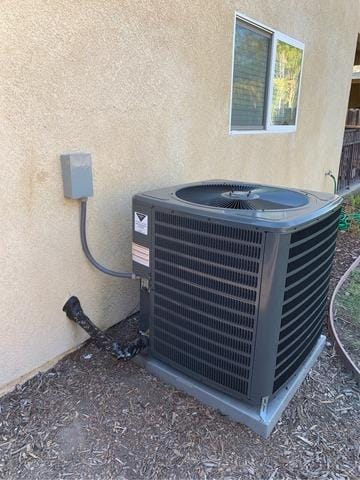
An outdoor air conditioning unit, expertly installed by an AC technician, sits next to a beige stucco wall in Hemet, California. Above it is a small window, and nearby lies a garden hose. indoor air quality

When it comes to keeping your home comfortable, we often focus on temperature control, but indoor air quality (IAQ) is just as important. Your HVAC system plays a huge role in maintaining not just the climate but also the air you breathe. If you’re not paying attention to your indoor air quality, you could be inviting dust, allergens, and other airborne contaminants into your living space. So, how do you make sure the air in your home stays fresh and clean? Here are some practical HVAC tips to improve your indoor air quality and keep your space healthier.

1. Regular HVAC Maintenance is a Must

One of the simplest ways to ensure your indoor air quality is up to par is by keeping your HVAC system well-maintained. Regular maintenance keeps your system running efficiently and helps filter out dust and debris before it enters your home. Clogged filters or dirty ducts can wreak havoc on your air quality, so it’s essential to have a professional inspect your system regularly. Not only will this improve your air quality, but it’ll also extend the lifespan of your unit.

2. Change Your Air Filters Frequently

Your HVAC system’s air filters are the first line of defense against airborne pollutants like dust, pet dander, and pollen. Over time, these filters get clogged, reducing their ability to filter air properly. Depending on your home’s environment—especially if you have pets or live in a dusty area—air filters should be changed every one to three months. Keeping your filters clean ensures that your HVAC system is circulating clean, fresh air throughout your home.

3. Consider Upgrading to a High-Efficiency Filter

Standard air filters do a decent job, but if you’re serious about improving your indoor air quality, consider upgrading to a high-efficiency filter, such as a HEPA (High-Efficiency Particulate Air) filter. HEPA filters can capture up to 99.97% of airborne particles, including smaller pollutants like bacteria and mold spores. This is particularly beneficial for households with allergy sufferers or anyone sensitive to airborne irritants.

4. Don’t Forget About Your Ducts

Ducts are the highways that carry air throughout your home, and they can easily become clogged with dust, mold, or other contaminants if not maintained. Dirty ducts not only compromise air quality but also reduce the efficiency of your HVAC system, leading to higher energy bills. If you notice dust settling quickly around your home or an increase in allergy symptoms, it might be time to schedule a duct cleaning.

5. Use a Whole-House Air Purification System

For an extra layer of protection, consider adding a whole-house air purification system to your HVAC setup. These systems work alongside your existing HVAC to filter out even the smallest particles, including smoke, odors, and volatile organic compounds (VOCs). A whole-house air purifier can dramatically improve the air you breathe by eliminating pollutants that regular filters might miss. Plus, many systems are designed to be energy-efficient, so you won’t have to worry about a spike in your energy bills.


By following these HVAC tips, you can significantly improve your home’s indoor air quality and ensure a healthier living environment for your family. From regular maintenance to upgrading your air filtration system, there are several ways to make sure the air you’re breathing is as clean and fresh as possible. Ready to take your home’s air quality to the next level? Contact AQS Heating & Air for expert HVAC services that focus on your comfort and well-being.

Finding Reliable HVAC Near Me: What Homeowners Should Know

hvac near me

When your heating or cooling system starts acting up, the first thing you might search for is “HVAC near me.” But with so many options out there, how do you know which service provider to trust? Your HVAC system is essential for keeping your home comfortable year-round, so finding a reliable contractor is key. Here’s what homeowners should know when looking for dependable HVAC services in their area.

Prioritize Local Experience and Expertise

One of the biggest advantages of choosing a local HVAC service is their familiarity with your area’s climate and specific heating and cooling needs. Local contractors understand the seasonal demands and common issues in your community. Whether it’s handling the scorching summer heat or ensuring your system is prepared for a chilly winter, experienced local contractors can recommend the best solutions tailored to your home. For more details on what to expect from professional HVAC services, check out our Air Conditioning Services page.

Look for Proper Licensing and Certifications

Any HVAC technician you hire should be fully licensed and certified. This guarantees they have the necessary training and qualifications to handle installations, repairs, and maintenance safely and effectively. Before hiring a contractor, ask to see their licensing information and inquire about any certifications, such as NATE (North American Technician Excellence) certification. A licensed contractor is more likely to provide high-quality work that complies with local regulations.

Check Reviews and Get Referrals

Reading online reviews is one of the easiest ways to gauge a company’s reputation. Look for testimonials from clients who’ve had similar HVAC needs as yours. Positive reviews and a history of satisfied customers are strong indicators of a reliable contractor. Additionally, ask neighbors or friends for recommendations. Word-of-mouth referrals often lead to finding trustworthy local HVAC professionals.

Get a Detailed Estimate and Understand Pricing

Before committing to any HVAC service, it’s important to get a clear, detailed estimate. A reliable contractor will provide a written estimate that breaks down the costs for labor, parts, and any additional fees. Be cautious of lowball offers—they might come with hidden costs or lower-quality work. Instead, focus on getting a fair price for quality service. You can explore our Financing options to learn how we make our HVAC services more accessible.

Look for Maintenance Plans and Long-Term Support

A reliable HVAC company doesn’t just disappear after the initial service—they offer ongoing maintenance and support. Regular maintenance is essential for keeping your system running efficiently and extending its lifespan. Many reputable contractors provide service agreements or maintenance plans that include seasonal tune-ups and priority service. This ongoing relationship ensures that your HVAC system stays in top shape all year long. For more information on our maintenance services, explore our AC Maintenance page.

Conclusion

Finding reliable HVAC services near you doesn’t have to be a daunting task. By focusing on local experience, proper licensing, positive reviews, and transparent pricing, you can choose a contractor who will keep your home comfortable year-round.

For more information or to schedule an HVAC service, visit our Contact Us page. AtAQS Heating & Air Conditioning, we’re committed to providing dependable, high-quality HVAC services for all your heating and cooling needs.

Air Conditioner Maintenance Checklist: Key Steps to Ensure Peak Performance

Air Conditioner Maintenance

When summer rolls around, the last thing you want is for your air conditioner to conk out on you. But where do you start? Our comprehensive air conditioner maintenance checklist is here to help.At AQS Heating and Air Conditioning, we understand that keeping your AC in good shape isn’t just about staying cool, though—that’s a huge part of it. Regular maintenance can save you money on energy bills, help you avoid expensive repairs, and extend the life of your unit.

Check and Replace Filters Regularly

One of the simplest yet most crucial steps in Air Conditioner maintenance is checking and replacing your filters. Dirty filters can make your air conditioner work harder than necessary, leading to higher energy bills and a shorter lifespan for your unit. Ideally, you should check your filters every month and replace them every 1-3 months, depending on how often you use your AC. A clean filter means better air quality and more efficient cooling.

Inspect the Thermostat

Your thermostat plays a vital role in keeping your home comfortable. Make sure it’s working correctly by setting the temperature a few degrees higher or lower than usual and seeing if the AC responds appropriately. If you’re still using a manual thermostat, consider upgrading to a programmable one. It can help you save energy by automatically adjusting the temperature when you’re not home.

Clean the Coils and Surroundings

Both the evaporator and condenser coils need to be clean for your air conditioner to run efficiently. Over time, these coils collect dirt, which reduces their ability to absorb heat. Make sure to clean the area around the coils, remove any debris, and check for signs of wear and tear. A clean system not only cools better but also lasts longer.

Check Refrigerant Levels

Your air conditioner can’t cool your home effectively if the refrigerant level is too low. Signs of low refrigerant include a hissing noise, ice on the refrigerant lines, or warm air blowing from the vents. If you suspect a leak, it’s crucial to get it fixed immediately to avoid further damage to your system.

Inspect Ductwork for Leaks

Leaky ducts can significantly reduce your air conditioner’s efficiency, making it harder to cool your home and increasing your energy bills. Inspect your ductwork for any visible signs of leaks, such as holes, tears, or gaps. Sealing these leaks can improve your AC’s performance and save you money in the long run.

Test Electrical Components

Faulty electrical components can lead to a host of issues with your air conditioner, from inconsistent cooling to complete system failure. Regularly inspect the electrical connections, tighten any loose wires, and check for signs of wear. If you’re not comfortable working with electrical components, it’s best to call in a professional.

Keeping your air conditioner in top condition doesn’t have to be a daunting task. With our comprehensive air conditioner maintenance checklist, you can ensure your AC runs efficiently and reliably all summer long. Regular maintenance is key to avoiding unexpected breakdowns and keeping your energy bills in check.

For more detailed guidance on each step, check out the AC maintenance page on the AQS Heating and Air Conditioning website.

So stay cool, save energy, and enjoy a comfortable home all season long with the help of AQS Heating and Air Conditioning!Contact us today.

Signs You Need Air Conditioner Installation This Summer

Air Conditioner Installation

Air conditioner installation is crucial to maintaining a cool and comfortable home during the scorching summer months. Summer’s here, and with it comes the sweltering heat that can make any home feel like an oven. If your air conditioner isn’t up to the task, it might be time to consider a new installation. But how do you know when it’s time to say goodbye to your old unit and hello to a new one? Let’s dive into some common signs that you need air conditioner installation this summer.

Sky-High Energy Bills

First off, let’s talk about those pesky high energy bills. We all expect a slight increase in our energy costs during the hotter months, but if you notice a significant spike in your bill that doesn’t match your usage, your air conditioner could be the culprit. Older units tend to work harder to keep up, leading to higher energy consumption. This inefficiency not only burns a hole in your pocket but also strains the environment. Upgrading to a new, more efficient model can help you save money in the long run. Check out our AC installation page to learn more about the benefits of a new system.

Declining Air Quality

Another red flag is poor air quality. If your air conditioner is failing, you might notice that your home feels stuffy or that your allergies are acting up more than usual. This could be due to a lack of proper airflow or an inability to filter out pollutants effectively. Dust, mold, and other allergens can accumulate and circulate through your home, causing discomfort and health issues. A new air conditioner installation can vastly improve your home’s air quality, making it a healthier place to live.

Rapid Cycling

Now, let’s talk about rapid cycling. Does your air conditioner turn on and off frequently, regardless of the thermostat settings? This cycling can cause wear and tear on your system and lead to higher energy bills. Rapid cycling often indicates that your air conditioner is struggling to maintain the desired temperature, which can result from various issues like refrigerant leaks or failing components. If you’re experiencing this issue, it’s a clear sign that your air conditioner is struggling and might need replacing.

Inconsistent Cooling

If certain rooms in your home are significantly warmer than others, it could be a sign that your air conditioner isn’t distributing air evenly. This inconsistency can make some areas of your home uncomfortable and is usually a sign of an underlying problem. An old or malfunctioning air conditioner may struggle to cool your home evenly, leading to hot spots and uneven temperatures. A new air conditioner can solve this problem, ensuring that every room in your house stays cool and comfortable. For expert advice on choosing the right unit, check out our AC replacement guide.

Strange Noises and Smells

Lastly, pay attention to any strange noises or smells coming from your air conditioner. Unusual sounds like grinding, squealing, or banging can indicate serious issues, such as loose parts or motor problems. Similarly, musty or burning odors can signal mold growth or electrical issues. These problems often mean it’s time to consider a new air conditioner installation to avoid further damage and potential hazards.

Make the Switch to Stay Cool

Don’t let a failing air conditioner ruin your summer. Recognizing these signs early can save you from discomfort and high costs down the line. If you think it’s time for a new air conditioner, give us a call or visit our contact page to schedule an installation. Stay cool and comfortable this summer with AQS Heating and Air Conditioning!

Call us today at (951) 487-6700 to discuss your air conditioning needs!

The Importance of Changing Your HVAC System’s Air Filter Frequently

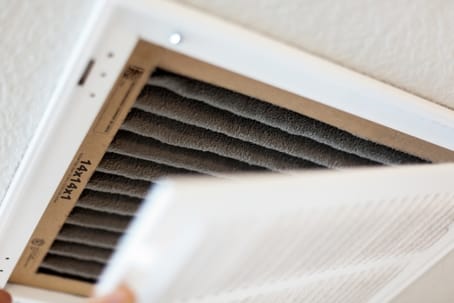
Close-up view of an AC technician changing a dirty, pleated HVAC air filter in a ceiling vent in Hemet, CA.

Maintaining a comfortable and healthy home environment is crucial, especially in regions like Hemet, CA, and the Inland Empire, where temperatures can soar. One often overlooked yet essential aspect of home maintenance is regularly changing your HVAC system’s air filter. Doing so not only improves indoor air quality but also ensures that your HVAC system runs efficiently. This blog post will guide you through the importance of frequent air filter changes, how often you should replace them, factors influencing replacement frequency, the benefits of specialized filters, and the potential problems from neglect.

How Often Should You Replace Your Air Filter?

It is generally recommended that a standard HVAC air filter be replaced every 30-90 days. This timeframe ensures that your system can effectively filter out dust, pollen, and other airborne particles, maintaining good air quality in your home. However, this recommendation can vary based on several factors, which we will explore below.

Factors Requiring More Frequent Air Filter Changes

Certain conditions may necessitate more frequent air filter changes:

  1. Pets: If you have pets, especially those that shed frequently, your air filter will likely get clogged faster due to pet hair and dander.
  2. Allergies or Respiratory Conditions: Homes with individuals who suffer from allergies or respiratory issues may benefit from more frequent filter changes to maintain optimal air quality.
  3. High Usage: During peak seasons, such as summer and winter, when your HVAC system is running continuously, the air filter will accumulate debris more quickly.
  4. Environmental Factors: Living in an area with high pollution levels or construction activities can lead to faster dirt and debris accumulation in your air filter.

Specialized Filters: Less Frequent Changes

While standard filters require frequent changes, some specialized filters are designed for longer usage periods:

  • High-Efficiency Particulate Air (HEPA) Filters: These filters are highly effective at trapping small particles and may only need to be replaced once or twice a year, depending on usage.
  • Activated Carbon Filters: Known for their ability to remove odors, gases, and particles, activated carbon filters require less frequent changes, typically every 6-12 months.

It’s essential to consult your HVAC system’s manufacturer guidelines or an HVAC professional to determine the best type of filter and replacement schedule for your system.

Problems from Not Changing Your Filter Often Enough

Neglecting to change your HVAC system’s air filter frequently can lead to several issues:

  • Reduced Efficiency: A clogged air filter forces your HVAC system to work harder, leading to increased energy consumption and higher utility bills.
  • Poor Air Quality: As the filter becomes saturated with dust and debris, it can no longer efficiently trap particles, resulting in poor indoor air quality.
  • System Overheating: Restricted airflow due to a dirty filter can cause your HVAC system to overheat, potentially leading to breakdowns or costly repairs.
  • Shortened System Lifespan: Consistently operating with a clogged filter can put undue stress on your HVAC system, reducing its overall lifespan.

Hemet, CA, Residential HVAC & Air Quality

Ensure your home’s HVAC system operates efficiently and maintains excellent air quality by regularly changing the air filter. For professional guidance and top-notch heating and cooling services in Hemet, CA, and the Inland Empire, reach out to AQS Heating & Air Conditioning. Our team of certified experts is dedicated to providing reliable, high-quality service you can trust. Contact us today at (833) 789-1696 to schedule an appointment and experience the AQS difference.