
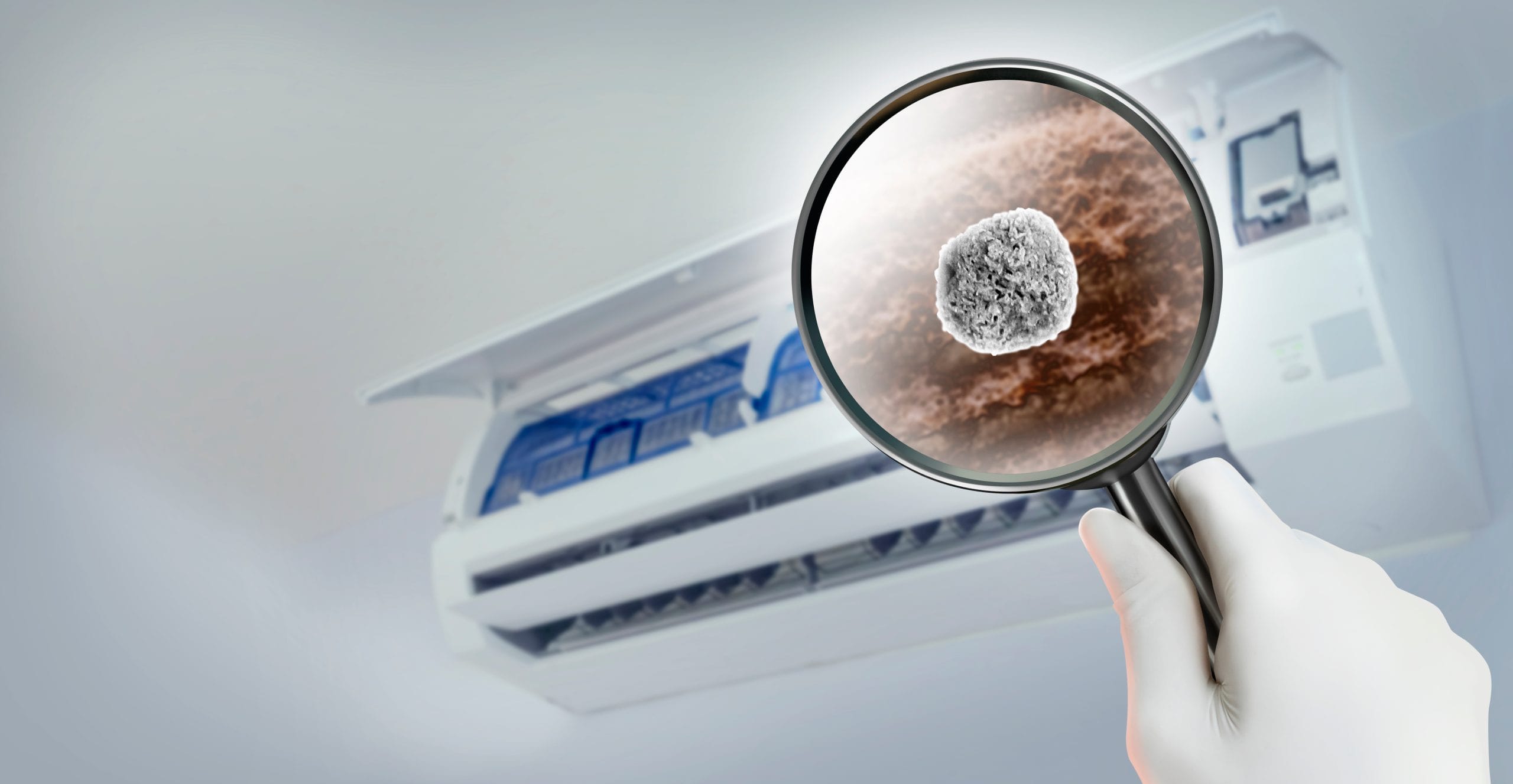
We often think of our homes as safe havens, but what if the air inside your home is more polluted than the air outside? It might sound alarming, but indoor air pollution is a hidden danger that many people overlook. From invisible gases to microscopic particles, a variety of pollutants can lurk inside your home, impacting your health and well-being. Let’s dive into the hidden dangers of indoor air pollution and how you can eliminate them for a healthier living environment.
Understanding the Risks of Indoor Air Pollution
You might be wondering what exactly qualifies as indoor air pollution. Well, it encompasses a range of contaminants that can be found in the air inside buildings. These pollutants can come from everyday activities and items such as cleaning products, paint, furniture, and even cooking. Common pollutants include volatile organic compounds (VOCs), mold spores, pet dander, dust mites, and even carbon monoxide.
Indoor air pollution can lead to a host of health issues. Short-term exposure can cause symptoms like headaches, dizziness, fatigue, and irritation of the eyes, nose, and throat. Long-term exposure, however, can be much more serious, potentially leading to respiratory diseases, heart disease, and even cancer. If you’re experiencing persistent allergy-like symptoms, it might be worth considering the air quality inside your home.
How to Identify Indoor Air Pollution Sources
Identifying the sources of indoor air pollution is the first step toward improving your home’s air quality. One common source is inadequate ventilation, which allows pollutants to build up indoors. Another major culprit is moisture, which can lead to mold growth. Mold spores are not only a health hazard but also a sign of underlying moisture problems.
Household products and furnishings can also release pollutants. For instance, many paints and varnishes emit VOCs, which are harmful chemicals that can affect your health. Even seemingly harmless items like carpets and upholstery can harbor dust mites and other allergens. If your home was built before 1978, lead paint might be another hidden hazard. Testing for these pollutants and addressing them can significantly improve your indoor air quality.
To learn more about testing and improving your indoor air quality, visit our indoor air quality services page.
Practical Steps to Eliminate Indoor Air Pollution
Once you’ve identified potential sources of indoor air pollution, it’s time to take action. One effective measure is to improve your home’s ventilation. This can be as simple as opening windows and using exhaust fans in kitchens and bathrooms to remove contaminants from the air. For more comprehensive solutions, consider installing a whole-house ventilation system.
Managing moisture is crucial in preventing mold and mildew. Ensure that all leaks are promptly repaired and that your home has adequate drainage systems in place. Using a dehumidifier in damp areas like basements can also help keep humidity levels in check.
Another key step is to use air purification systems. These systems can filter out harmful contaminants and allergens, providing cleaner air throughout your home. Regular maintenance of your HVAC system, including duct cleaning and sealing, is also essential in preventing the circulation of polluted air. For more information on our air purification and HVAC services, check out our air purification systems page.
Additionally, be mindful of the products you bring into your home. Opt for low-VOC or VOC-free paints and cleaning supplies, and regularly clean and replace filters in your heating and cooling systems. These small changes can make a big difference in your home’s air quality.
Conclusion
Indoor air pollution is a serious issue, but with the right knowledge and tools, you can tackle it head-on. By identifying sources of pollution and taking practical steps to eliminate them, you can ensure that your home remains a safe and healthy environment for you and your family. Don’t wait for the problem to escalate—start improving your indoor air quality today.
For more tips and professional assistance, visit our indoor air quality page and explore how AQS Heating & Air Conditioning can help you breathe easier. Let’s work together to make your home a place of comfort and health.
