When to Upgrade Your Home’s HVAC System

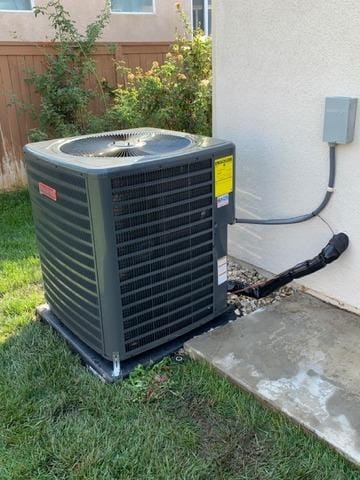
Condenser unit installation in Riverside, CA, showcasing efficient HVAC system for home cooling.

Knowing when to upgrade your home’s HVAC system can be a bit of a head-scratcher. After all, it’s a big investment, and you want to be sure you’re making the right decision. Let’s break down the signs that it’s time to consider an upgrade and the benefits you’ll reap from doing so.

Frequent Repairs

First things first, let’s talk about repairs. If you find yourself constantly calling for repairs, it might be time to think about upgrading. Sure, occasional fixes are expected, but when they start becoming a regular thing, your HVAC system is likely on its last legs. The cost of frequent repairs can quickly add up, often making an upgrade the more cost-effective choice. Not to mention, a new system will come with a warranty, giving you peace of mind. For more details on our repair services, visit our HVAC repair page.

Rising Energy Bills

Have you noticed your energy bills creeping up month after month? Older HVAC systems tend to lose efficiency over time, meaning they need more power to do the same job. This inefficiency not only hits your wallet but also strains the environment. By upgrading to a newer, more energy-efficient model, you can significantly reduce your energy consumption and save money in the long run. For tips on maintaining your system’s efficiency, check out our HVAC maintenance page.

Uneven Temperatures

Do you have hot and cold spots in your home? Uneven temperatures can be a sign that your HVAC system isn’t distributing air properly. This could be due to an old system that’s no longer up to the task or one that was improperly sized or installed in the first place. A modern HVAC system can ensure consistent comfort throughout your home, eliminating those annoying hot and cold spots.

Age of the System

How old is your current HVAC system? Most systems have a lifespan of about 10 to 15 years. If yours is approaching or has surpassed this age, it’s probably time to start thinking about an upgrade. Even if your old system is still working, newer models offer improved energy efficiency, better performance, and enhanced features that can make your home more comfortable.

Improving Air Quality

Another good reason to upgrade is to improve your home’s air quality. Newer HVAC systems come with advanced filtration options that can significantly reduce allergens, dust, and other pollutants. This is especially important if someone in your household suffers from allergies or asthma. A new system can make a big difference in the overall health and comfort of your home.

The Benefits of Upgrading

Upgrading your HVAC system isn’t just about avoiding the hassle of constant repairs or high energy bills. It also means better comfort, improved air quality, and potentially higher resale value for your home. Modern systems are quieter, more efficient, and come with smart technology that allows you to control your home’s climate remotely.

Ready to Upgrade?

If you’re noticing any of these signs, it might be time to consider an HVAC upgrade. Don’t wait until your system breaks down completely—being proactive can save you a lot of stress and money. At AQS Heating and Air Conditioning, we’re here to help you every step of the way. For more information or to schedule a consultation, visit our contact page or call us at (951) 487-6700. Upgrading your HVAC system is a big decision, but with the right guidance, it can be a smooth and rewarding process.
Signs Your AC Is Low On Refrigerant

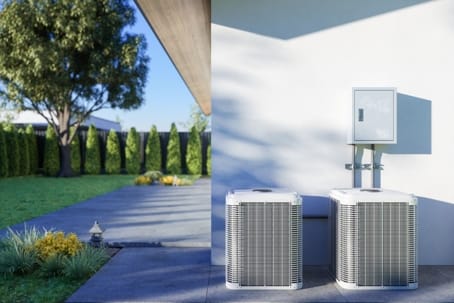
Air conditioning units positioned outside a home, showcasing a modern HVAC system in a landscaped yard, relevant to air conditioning maintenance and refrigerant issues.

If the air conditioner cannot cool your home properly, one of the first issues to consider is low refrigerant levels. Without enough refrigerant, the air conditioner cannot draw heat from the air in the house. Refrigerant is a fluid that flows through an air conditioner and absorbs and removes heat from the cooling chamber.

The refrigerant passes through the condenser and compressor, is converted from liquid to gas, and returned. If the system does not have the proper amount of this AC liquid, your device will not work very effectively. Low refrigerant levels often mean that there is a leak. Fortunately, a few signs indicate your air conditioner is low on refrigerant:

Indications of Low Refrigerant Levels in Your AC

  • No Cold Air

When the system runs out of refrigerant, you notice warm air coming out of the vents. In other words, it becomes difficult to cool the air entering the house. It is an indicator of low refrigerant levels.

  • Ice On Refrigerant Lines

If you see ice buildup on the refrigerant line, it could indicate a low refrigerant level. If the refrigerant level is not high enough, the pressure and the temperature will drop.

Ultimately, the temperature can be low enough to freeze what is known as an evaporator coil. Refrigerant line ice may indicate a problem with other systems, but certainly, HVAC experts for AC Repair in Hemet can properly diagnose the problem.

  • High Utility Bill

When you run out of refrigerant, your air conditioner must work harder than usual to keep your home cool. This extra load on the system uses more energy than usual and makes the electricity bill very high. As the summers arrive, you will see a modest increase in your utility bills.

  • Strange Sounds Coming From Your System

Another sign of low refrigerant levels is when you hear a strange swooshing noise from the air conditioner. Leaks can lead to noise while the refrigerant line is pressurized. In the case of refrigerant leakage, it is highly recommended that you contact an HVAC expert if you encounter any of these issues.

  • Water Leaking Around The Heater

Water can collect near the furnace if the ice that collects in the refrigerant line melts. This water can drip onto the floor or stove. A puddle around the furnace is the first sign of severely low refrigerant levels and requires urgent maintenance and repair. So you can contact a professional for air conditioning service in Yucaipa.

Conclusion

So these are some signs showing that you might have a low refrigerant level in your system. In this case, calling a professional HVAC expert is the right step. You can properly diagnose the problem, find a reliable solution, and get your system up and running quickly.

The best air conditioning professionals have professional tools to help you identify refrigerant leaks and see if your system needs refills. If your HVAC system has refrigerant-related problems, contact AQS Heating & Air Conditioning for air conditioning installation in Yucaipa, recharge, leak repair, and all other AC service needs.

Tips to Help Reduce Strain on Your HVAC System

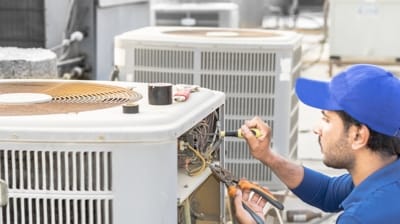
HVAC technician performing maintenance on air conditioning unit, emphasizing professional HVAC service and repair.

Summer in California might get extremely hot. In such a situation, you must ensure that your HVAC does not endure too much strain. If proper care is not taken, it might not only increase your energy bills but also cause your system to get damaged prematurely. Proper maintenance and HVAC service Hemet can increase the life of your HVAC system. How to reduce strain on the HVAC system? Below are a few ways to reduce strain on your HVAC systems:

  1. Have regular system inspections throughout the year: Regular maintenance ensures that the HVAC system is functioning efficiently. You should contact the best HVAC service in Hemet for performing an inspection of the system. The professionals will be able to detect the smallest of the problems and provide solutions.
  2. Air filter replacements: Between the regular air conditioning service in Hemet, CA, customers should be checking the air filters of their air conditioners. Replacing the air filters is one of the easiest home maintenance tasks. However, most customers tend to ignore it. If the air gets dirty or blocked, the airflow in the HVAC system reduces. Hence, more energy will be required to keep the house cool. A clogged filter might result in the HVAC system getting damaged as well. Thus, clean the air filters regularly to minimize the strain on the air conditioning system.
  3. Installation of efficient thermostats: Programmable thermostats might be of great help in reducing cooling costs. They allow you to control the temperatures even when you are away from home. The thermostat enables you to raise the temperature of your home when you are not present. Thus, you can reduce the strain on your air conditioning systems. The thermostat can bring the temperature back to normal pretty easily as well.
  4. Insulation of the air ducts: In case the air ducts lack proper insulation, a lot of energy wastage will occur to cool the ductwork. The ducts should be sealed properly to minimize energy wastage. Insulation might save 40 percent of the energy used for cooling. Thus, you can reduce your energy bills as well. Sealing the ducts would prevent objects like leaves from getting into the ducts. As a result, the strain on the HVAC system will minimize. You can reach out to the HVAC service in Hemet for advice on how to increase the performance of your air conditioning system.
  5. Reduce the heat within the house: If extra heat is present in your house, your air conditioning system will be subjected to additional strain. You can put the curtains on or close the shades to minimize the amount of heat within your home. Thermal curtains help in reducing the heat as well. Additionally, you can choose to avoid heat-generating activities like cooking during the day. You can postpone them to later in the evening. Running devices like an oven also increases the amount of heat in the house. These steps will help reduce the strain on your air conditioning system.

If you are planning for an air conditioning service in Hemet CA, you should get it done by experts in the business. AQS Heating and Air Conditioning service are the best options for HVAC repair in Hemet.

Call us at (833) 789-1696 to schedule a maintenance visit and get guidance from repair specialists.